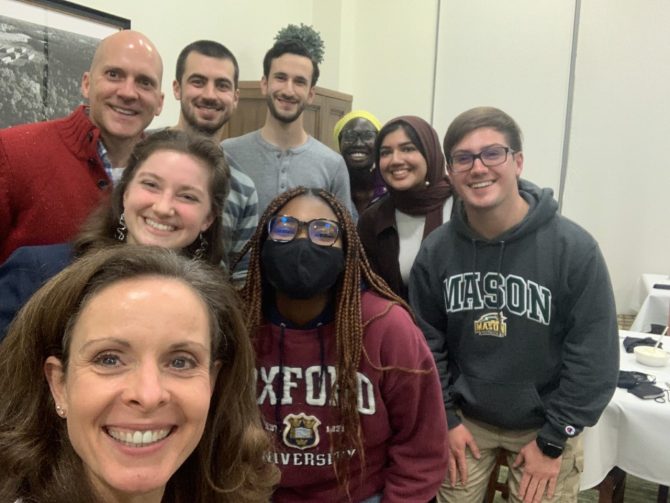
My politics research lab hosts a select group of graduate and undergraduate students each semester who serve as my research assistants, teaching assistants, mentees, or coauthors. We have mandatory lab meetings every Friday at 4pm.
Apply for a position in fall 2026
The following roster applies to students in the Spring 2026 Research Lab.
PhD Students
Christine German
Political Science Ph.D., 2026
Lab Projects: Ph.D. dissertation
Research Interests: extremism, terrorism, gender, authoritarianism
Oakley Hill
Peace & Conflict Resolution, Ph.D. 2026
Lab Projects: Ph.D. dissertation
John Sheehan
History, Ph.D. 2026
Lab Projects: Ph.D. dissertation
Janet Marroquin [email protected]
Biodefense Ph.D., 2026
Lab Projects: Ph.D. Dissertation
Current lab projects include:
- Manuscript or data visualization support for Professor Victor’s in-progress book manuscript, Root and Branch: The Network Origins of Political Capital in the US Congress.
- ABSTRACT:
What does it mean for a legislator to earn or spend political capital? How can we know when someone has it? This book offers a theoretical framework for understanding political capital as the byproduct of networks of relationships. Drawing on network data from five observable networks among members of the United States House of Representatives, I estimate political capital for each legislator with two primary components: embeddedness and brokerage. Embedded capital describes lawmakers with deep connections—the roots of the legislative network. Brokerage capital describes those with the capacity to branch out and connect subnetworks that would not otherwise be connected. I identify legislators who are most likely to exhibit each form of political capital. In Part II of the book, I look at how legislators spend their earned political capital. I show that those higher in embedded capital tend to be more successful legislators while those higher in brokerage capital tend to be chamber leaders. Ultimately, this research shows that legislative outcomes are driven by those with political capital, which is itself generated from networks of connections.
- ABSTRACT:
- Caucus Explorer — update, maintain, and improve the user interface for the web-based tool designed to explore congressional caucus memberships and relationships.
Undergraduate Students, Spring 2026
| Student | Degree Program | Lab Project |
| Ariel Mehmeti | GVIP, 2028 | Caucus Explorer |
| Charles Ritter | GVIP, 2026 | Data Viz |
| Emma Schaible | GVIP, 2028 | Book manuscript support |
| Grace Miller | GVIP, 2028 | Book manuscript support |
| Mateen Monshizada | GVIP, 2026 | Data Viz (April 2026) |
| Chailyn Pullen | GVIP, 2026 | Book manuscript support |
Research Lab Archive
Undergraduate poster archive
Maya Tichoc, December 2024 ; May 2025
Ariel Mehmeti and Chloe Menoud, December 2024
Jacob Pritchard, Spring 2025
Graduate Lab Alumni
Tim Bynion, [email protected]

Political Science Ph.D., 2025
Dissertation: Party Foul: Ideology, Electoral Incentives, and Party Disloyalty in the House of Representatives
Aubrey Grant, [email protected]

Public Policy Ph.D., 2024
Dissertation: Networks and Policy Outcomes: The Case of Refugee Integration
Jason Smith, [email protected]

Political Science, Ph.D., 2023
Dissertation: Delegate or Abdicate: How Public Opinion Influences Congressional and Executive Behavior
Lab Photo – May 2026

Lab Photo September 2025
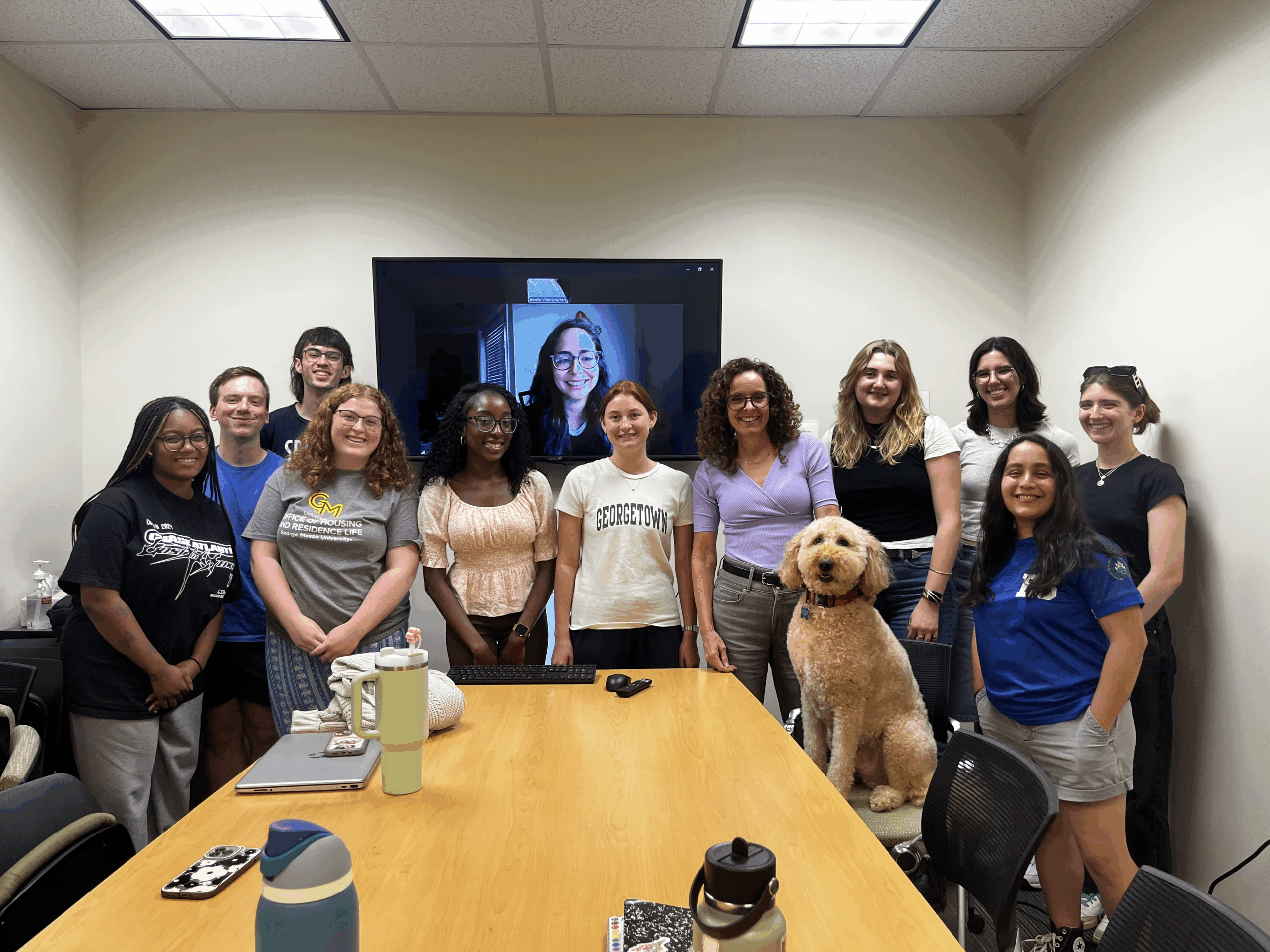
Lab Photo May 2025
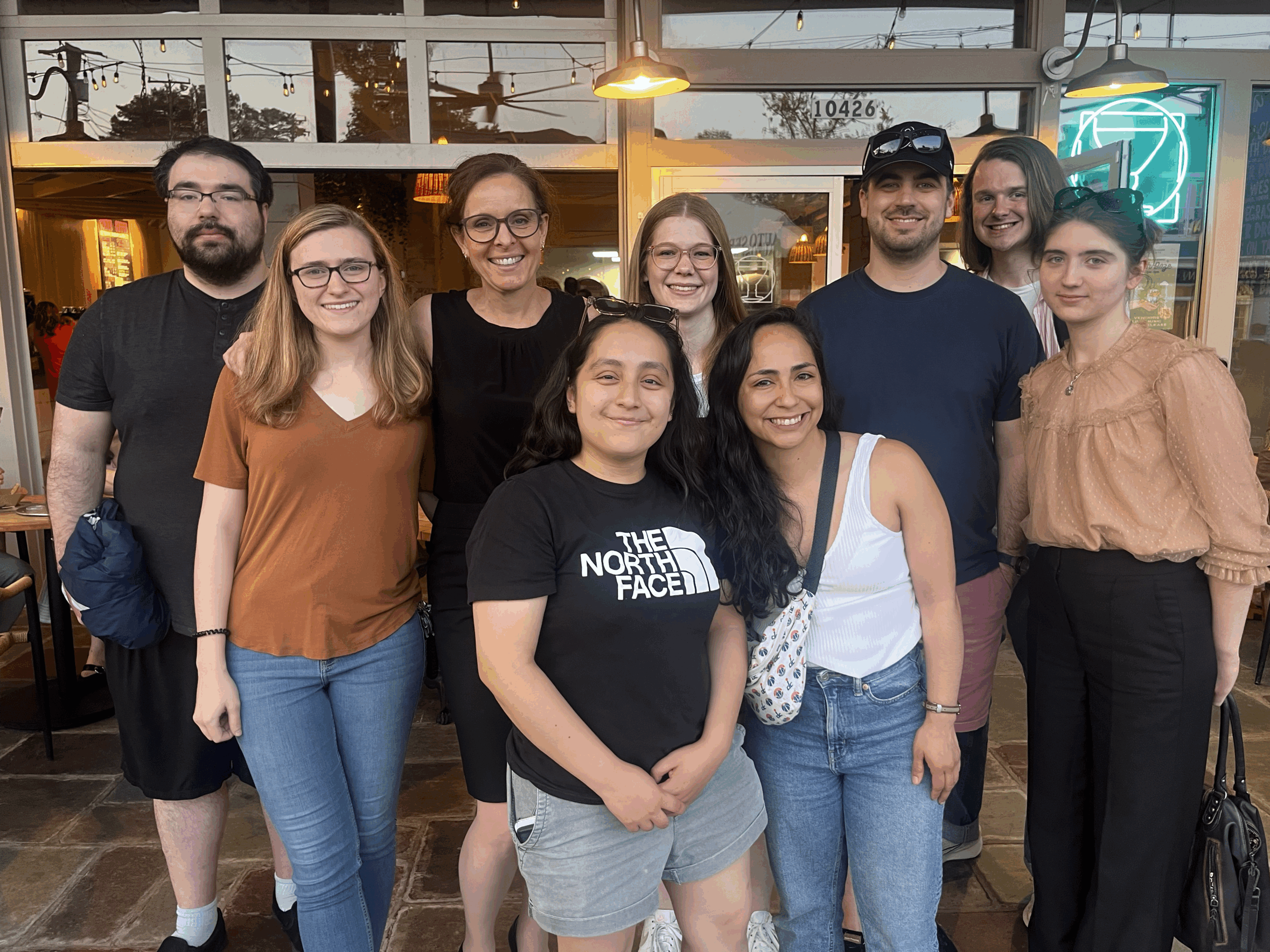
Lab Photo December 2024

Lab Photo August 2023
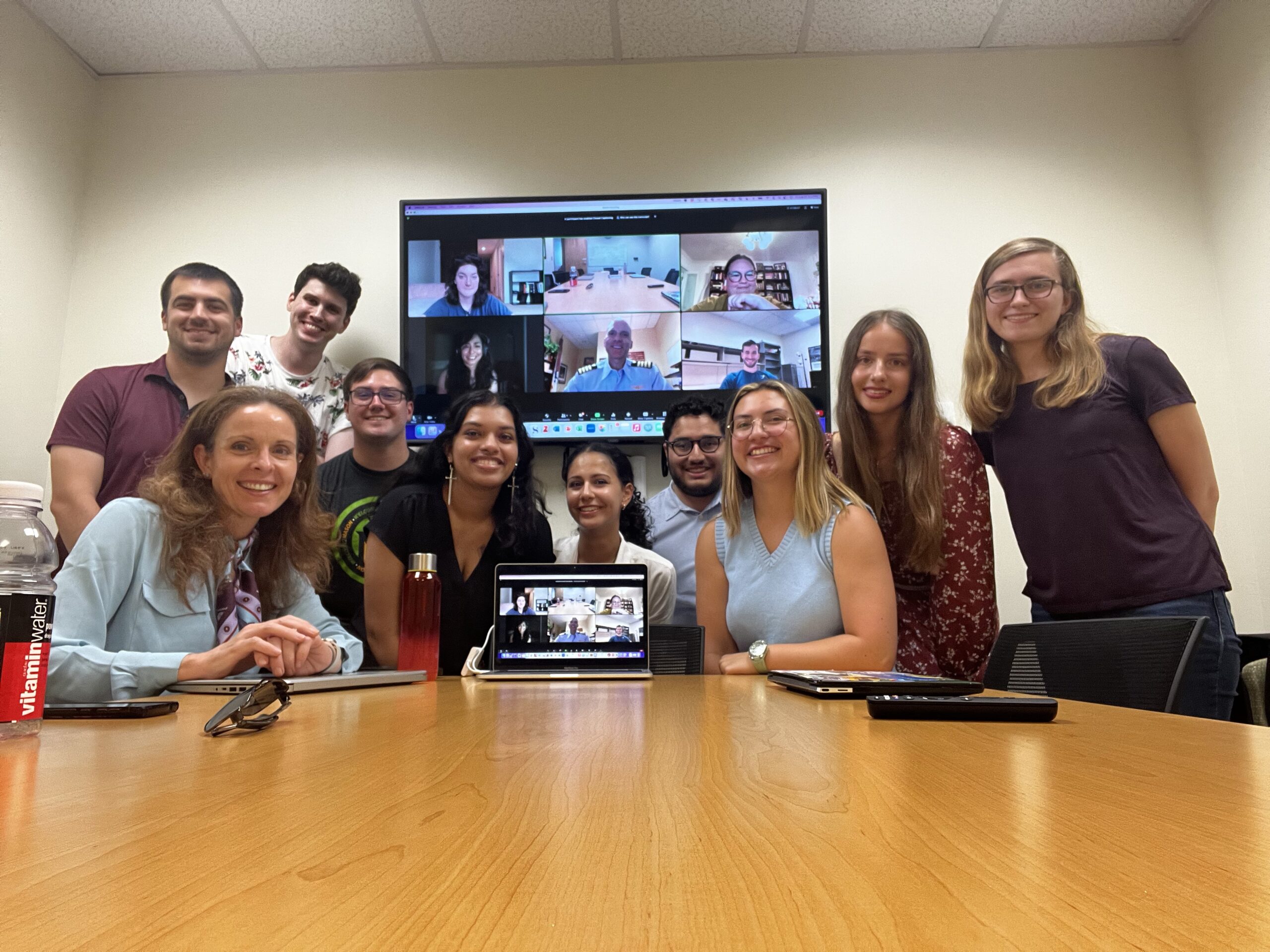
Fall 2021 Victor Lab Participants